Servind Automation was part of the Hannover Messe 2026 trade fair!
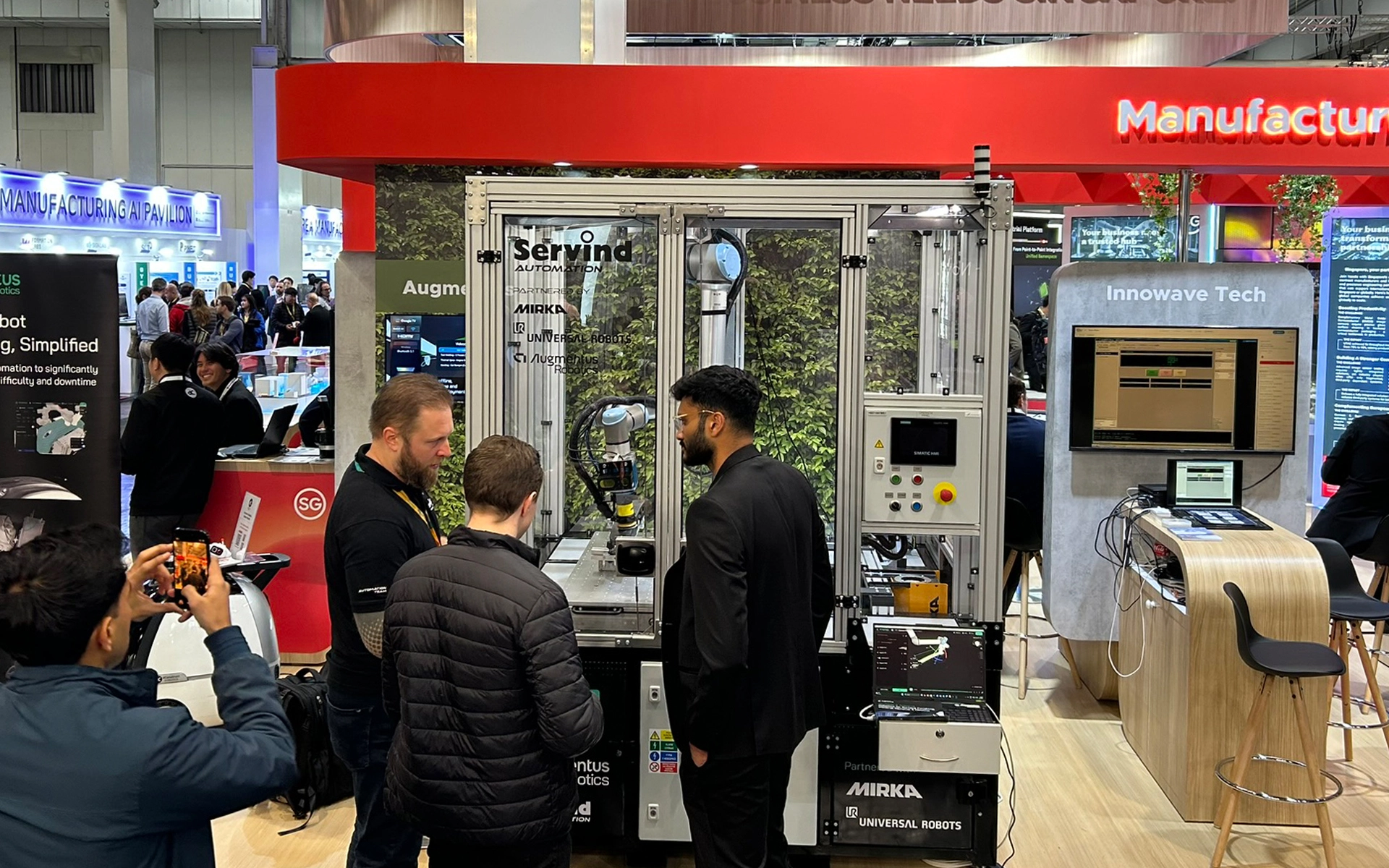
It is an immense pleasure for us that it has become somewhat of a tradition to bring you regular information about events from the world of Industry 4.0 in our bi-annual Servind NEWS, into which we peek thanks to Servind Automation. This time we would like to boast about the participation of our "robot guys" at the world-famous Hannover Messe trade fair, which enjoys great respect and importance in the industrial sector. 'Servind Automation presented itself at the fair within the Singapore pavilion, specifically at the stand of the partner company Augmentus, which invited us to this fantastic event and with which we have been cooperating closely for several years, being very satisfied with this collaboration,' says Ondřej Donát, CEO of Servind Automation.
What is Hannover Messe?
First and foremost, it is a highly respected and first-class platform for presenting global innovations in industrial automation, energy and environmental technologies, as well as research and development in mechanical engineering. The fair took place from April 20 to 24, 2026, in Hannover, Germany. This time under the motto Think Tech Forward. It truly is a very significant international event, which this time focused on industrial transformation. And what were the main themes that resonated throughout the entire fair?
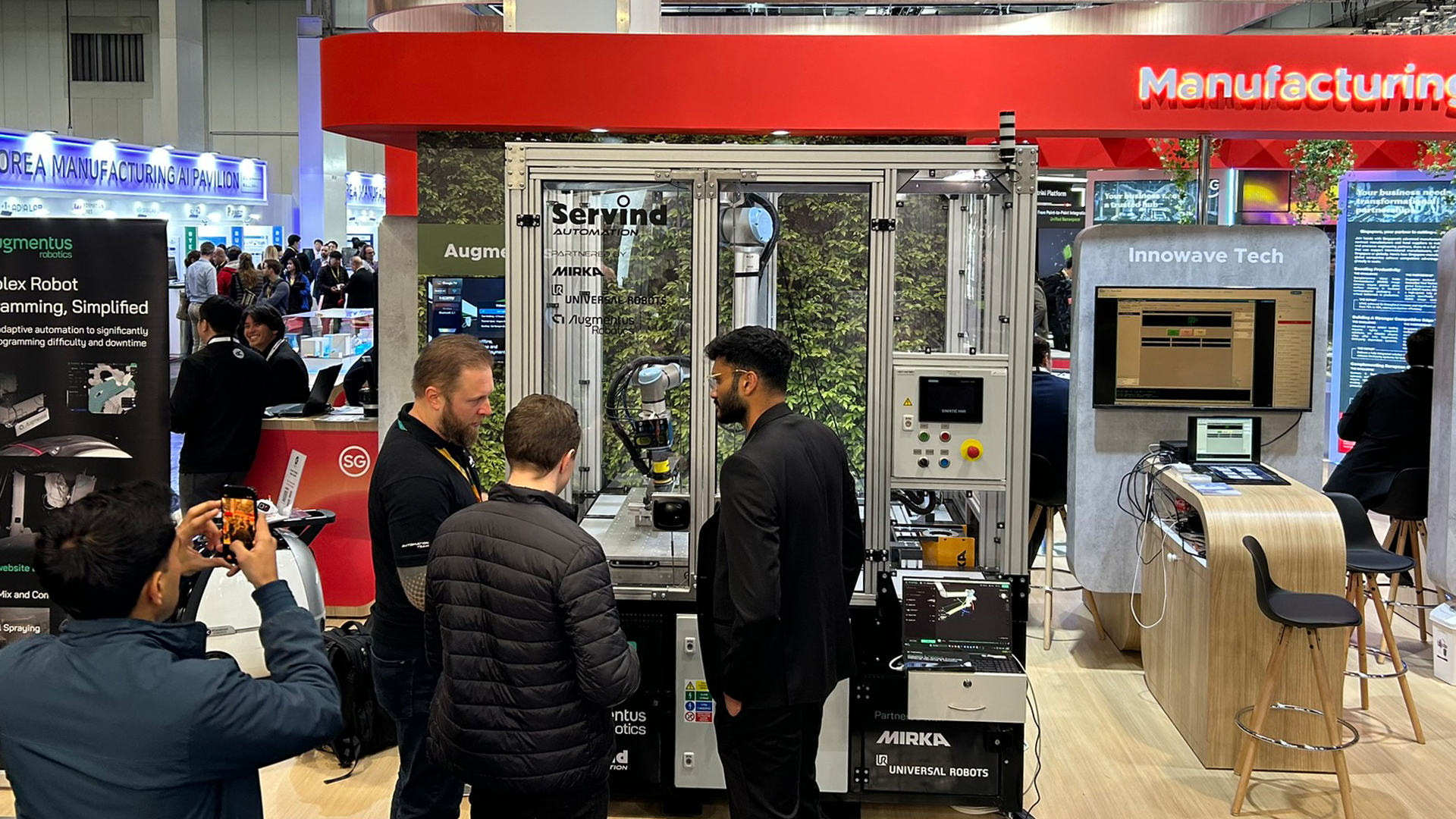
AI and robotics in practice
Artificial intelligence has crossed the boundary of theory and has become the engine of production. Humanoid and autonomous robots were a massive hit (e.g., the premiere of Agile Robots). Giants like Rockwell Automation returned to the fair, and driving forces like DMG Mori or Bosch Connected Industry newly introduced themselves with solutions for digital twins and smart maintenance. You might be asking, what is a digital twin? Don't worry, we asked too. In short, a digital twin allows industrial companies to see into the future functioning of both a planned machine and a machine already operating in production, to experiment without the risk of damaging expensive equipment, and thus maximize production profitability. How? Imagine a machine tool fitted with many sensors that measure and monitor a huge amount of values (motor temperature, vibrations, rotational speed, energy consumption, etc.). These values are mirrored online into a virtual model (a digital twin). Thanks to this mirroring, the computer model behaves like the real one. A situation can thus arise where, thanks to the model situation, the operator learns that, for example, due to a large amount of vibrations, a bearing will break in 14 days.
They replace it preventively during a planned downtime, instead of letting the unsuspecting machine continue working, which would result in a subsequent failure causing the entire line to stop unexpectedly, costing millions of crowns. And thanks to remote monitoring, these situations can be prevented from a Prague office that is overseeing equipment in Singapore.
New market segments and the concept of their presentation within Hannover Messe
This year's Hannover Messe offered a completely new, clearer, and more modern layout of the pavilions within the exhibition grounds. Great emphasis was placed on Networking, i.e., face-to-face information transfer, which allowed for more interesting interaction between exhibitors and visitors than the "blind" viewing of exhibited solutions. For the very first time at Hannover Messe, a Defence Production Area was created in response to the geopolitical need for secure and fast supplies in the defense industry. It is important to emphasize that this sector did not focus primarily on presenting weapons systems themselves, but rather on the infrastructure and technologies needed for their production. And last but not least, energy became a major theme of the fair. An interesting topic that focused on how to physically 'power' today's factories, specifically using hydrogen, and digitally via 5G/6G networks, while simultaneously meeting strict environmental standards.
Partner Country – Brazil
Every year, Hannover Messe has its partner country. This year it was Brazil, and both German Chancellor Friedrich Merz and Brazilian President Luiz Inácio Lula da Silva were present at the opening of the entire fair. The theme of Brazil revolved primarily around sustainable transformation, the diversification of supply chains, and hydrogen projects.
The Singapore Pavilion: The epicenter of advanced manufacturing
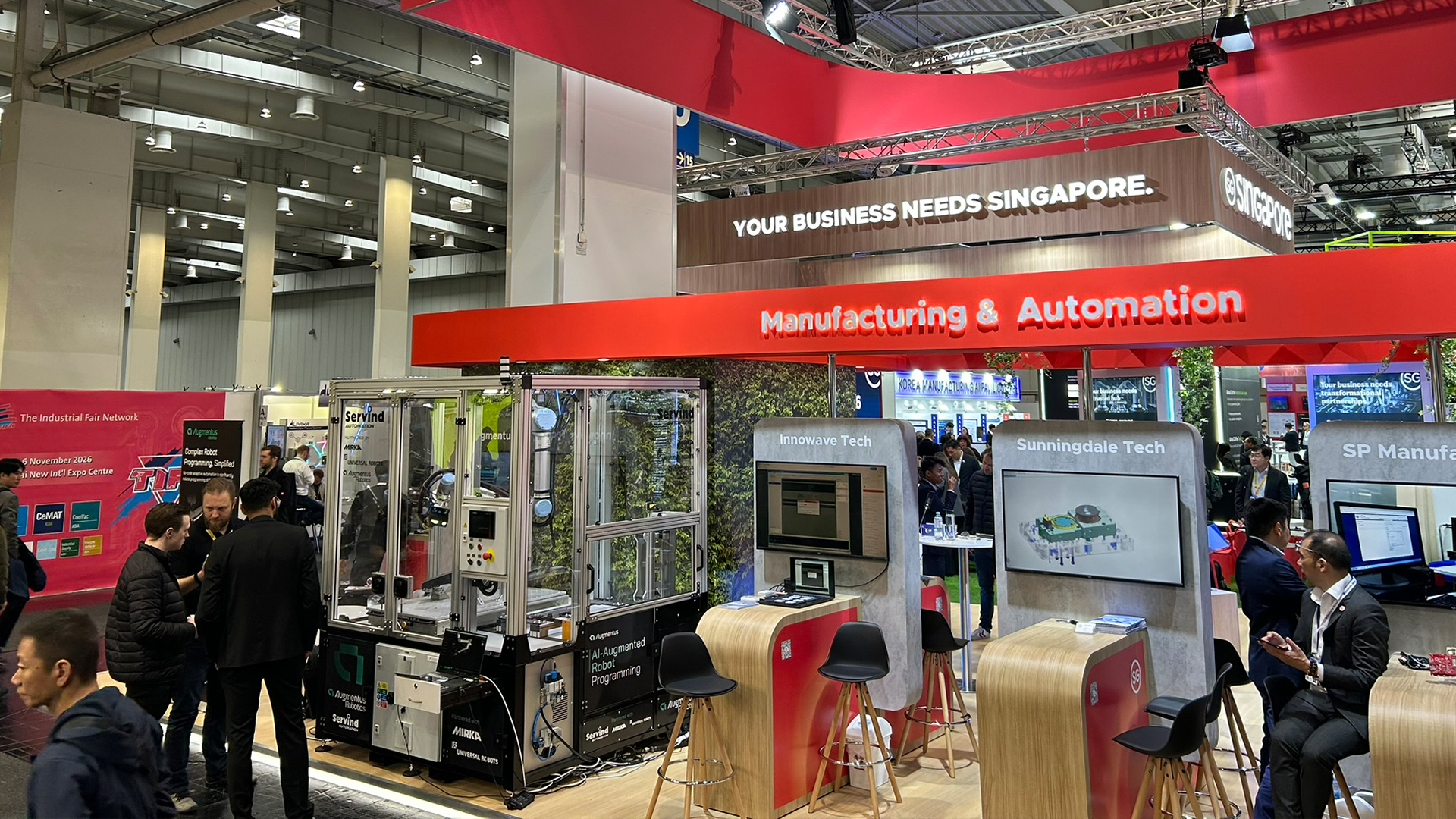
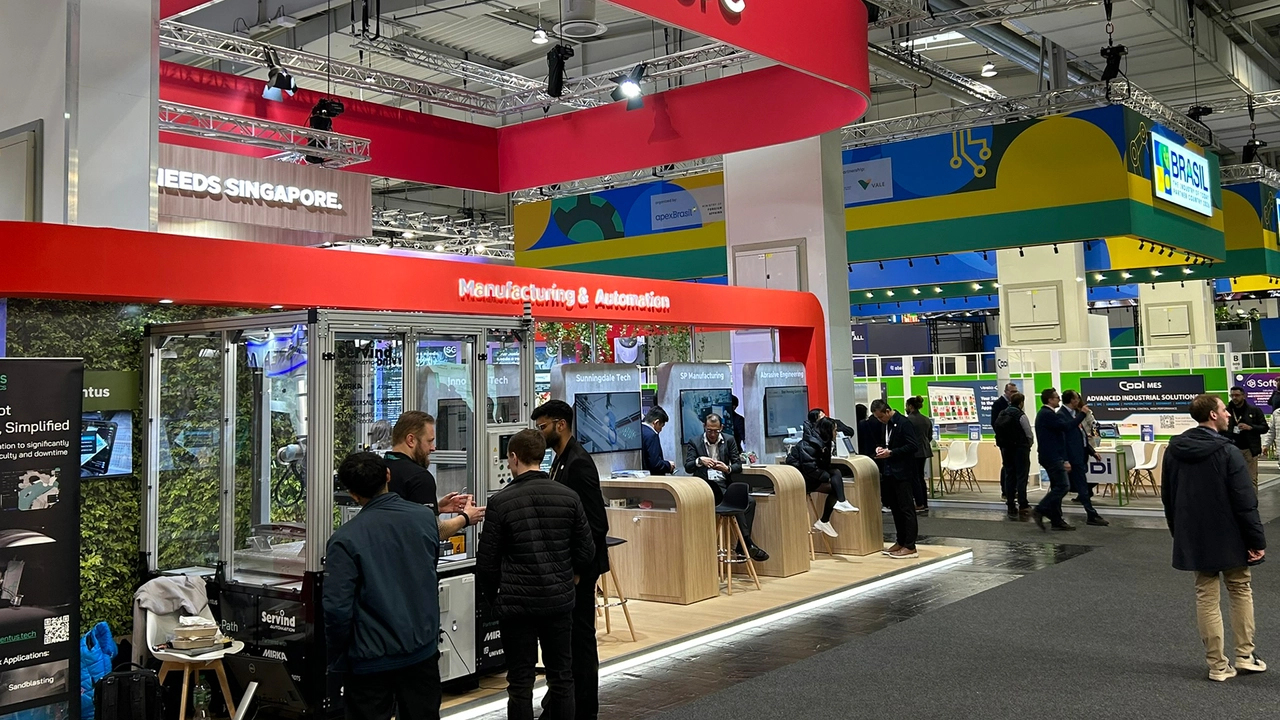
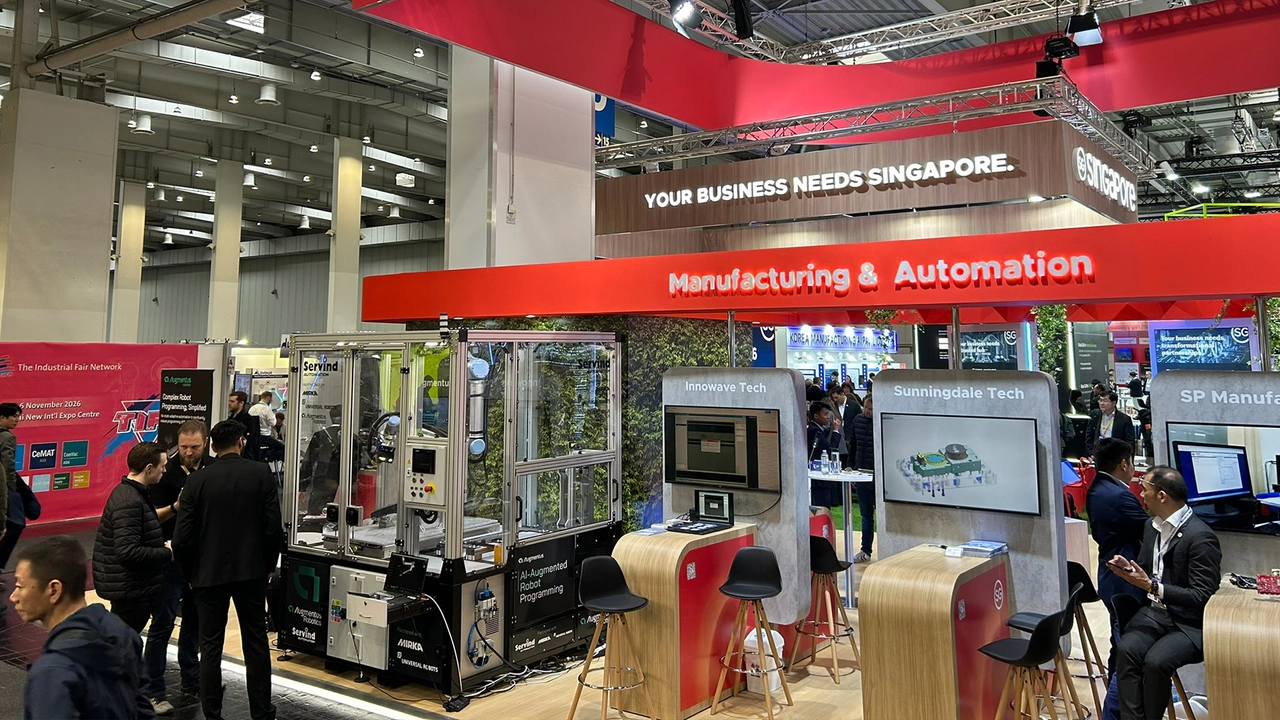
Location: Hall 16, Booth B15.
Singapore presented itself at the fair as a leader in research and sustainable production. The Singapore Pavilion operated under the auspices of government agencies Enterprise Singapore, which supports the expansion of local innovators into the world, and the Economic Development Board (EDB), which is building Singapore into a global hub of advanced technology and manufacturing. Both of these agencies fall under the Singaporean Ministry of Trade and Industry. Key players in the pavilion were the government research agency A*STAR, focusing on advanced manufacturing, and the innovation cluster NAMIC, which focuses on additive manufacturing/3D printing. Under the wings of this cluster, IDI Dynamics, a seasoned player in the field of laser systems and additive manufacturing technologies, also introduced itself. What is a cluster? In business and industry, a cluster is an association of companies, research centers, universities, and often state institutions that operate in the same or related field (e.g., in IT, automotive, or specifically in 3D printing). These entities connect geographically or organizationally to cooperate, even though they may compete in some aspects on the market.
The main star of the pavilion: Augmentus and the vision of "Robotics 2.0"
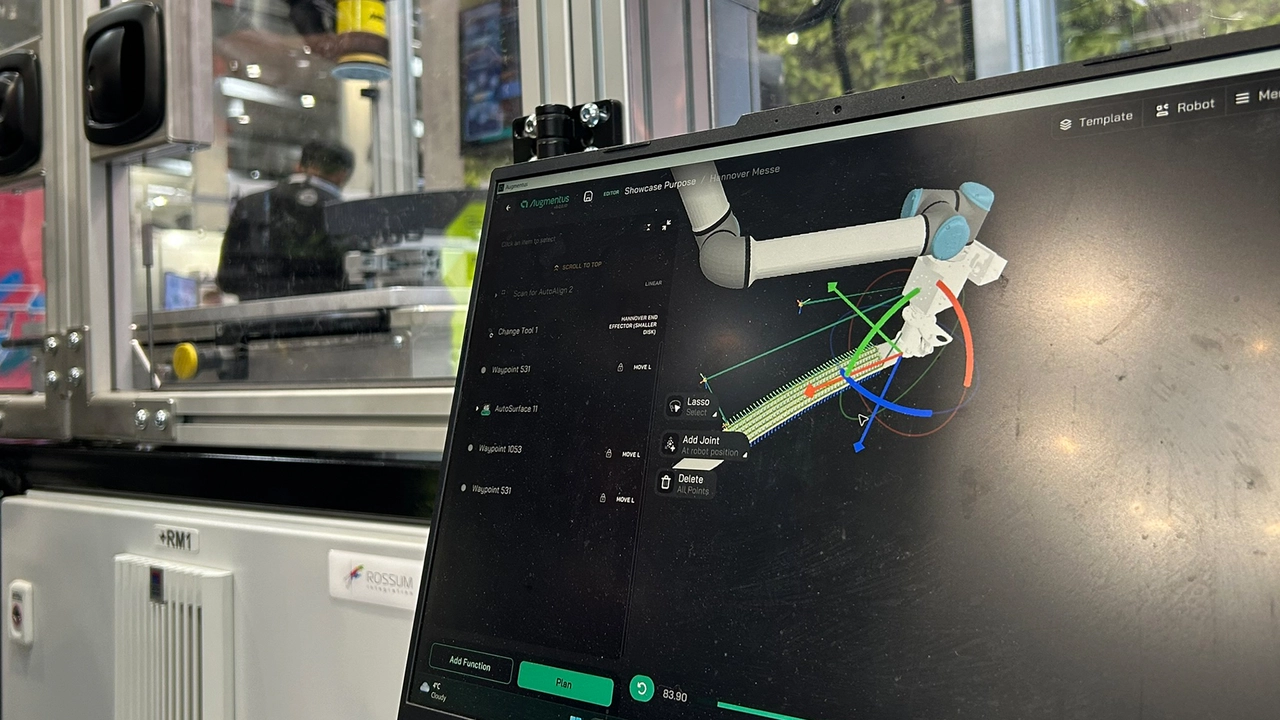
The Singaporean company Augmentus was founded in 2019. Since its inception, it has been dedicated to the no-code programming of collaborative robots. Augmentus's advanced system uses 3D scanning and machine learning to automate complex tasks (sanding, polishing, sandblasting, painting, or welding). They allow people without extensive programming knowledge to create paths for robots within minutes. Augmentus is currently the market leader in AI-supported robot programming and presented a radical change in the approach to industrial automation at the Hannover fair. Under the clear motto 'The end of complex coding'.
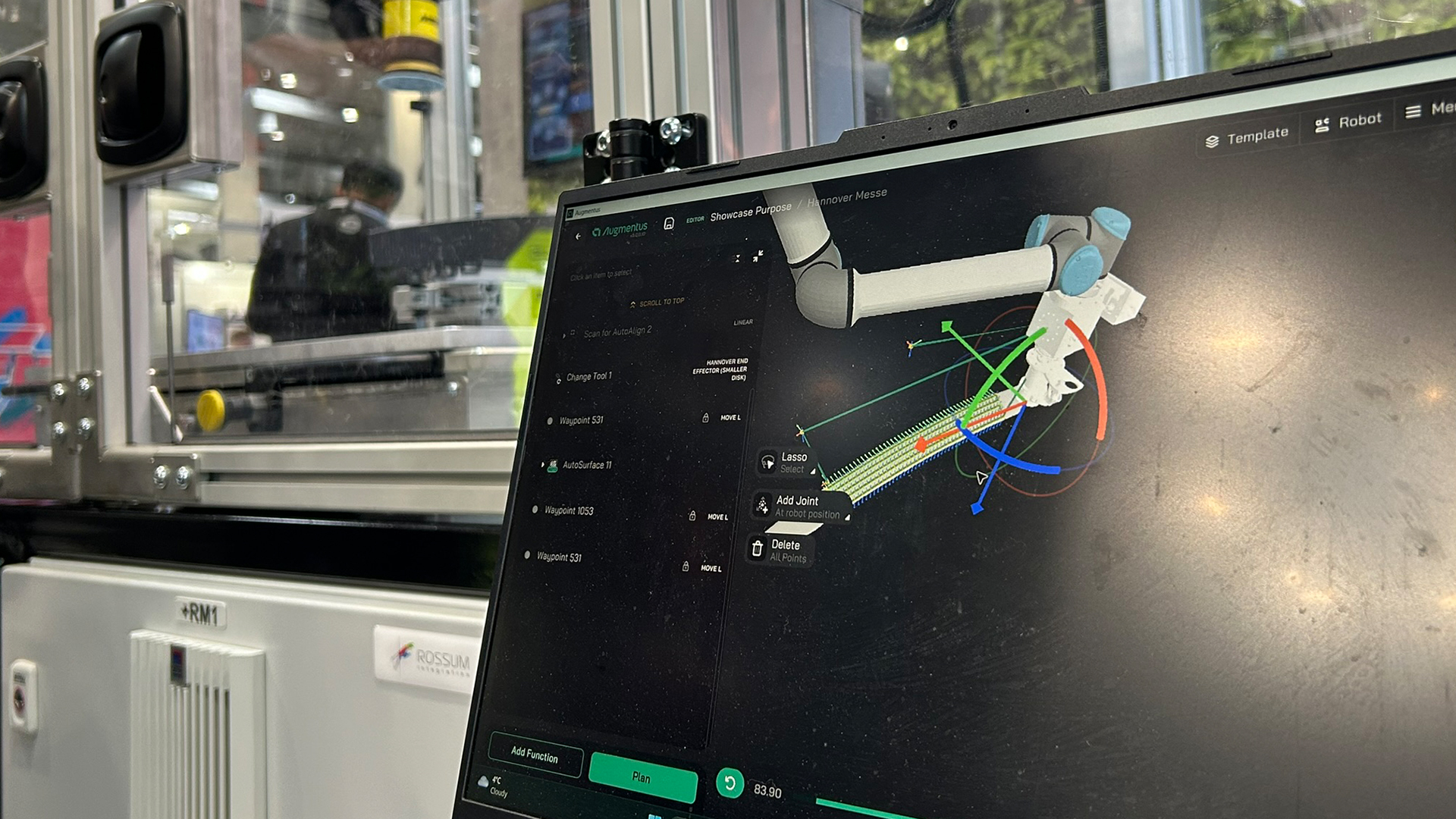
Key presented technologies included:
- No-Code AI platform: This allows users without deep programming knowledge to generate complex paths for collaborative and industrial robots in a matter of minutes (instead of days).
- Autonomous scanning (SCAN&PLAN): This advanced system uses 3D cameras to scan unknown parts. The AI automatically detects surfaces, suggests the optimal tool path, and corrects it in real time to avoid collisions.
- Multi-brand compatibility: Special software serves as a 'universal brain' capable of controlling robots of various brands (ABB, FANUC, Universal Robots, etc.) from a single interface.
- AR Integration: An innovative use of augmented reality glasses, thanks to which the operator sees the proposed robot path projected directly onto the physical part before the process starts.
- Green Manufacturing: An emphasis on the circular economy. AI programming allows for easy deployment of robots for repairing worn parts (welding, grinding) and more precise application of materials, which rapidly reduces raw material waste.
Perfect synergy: The cooperation between Augmentus and Servind Automation
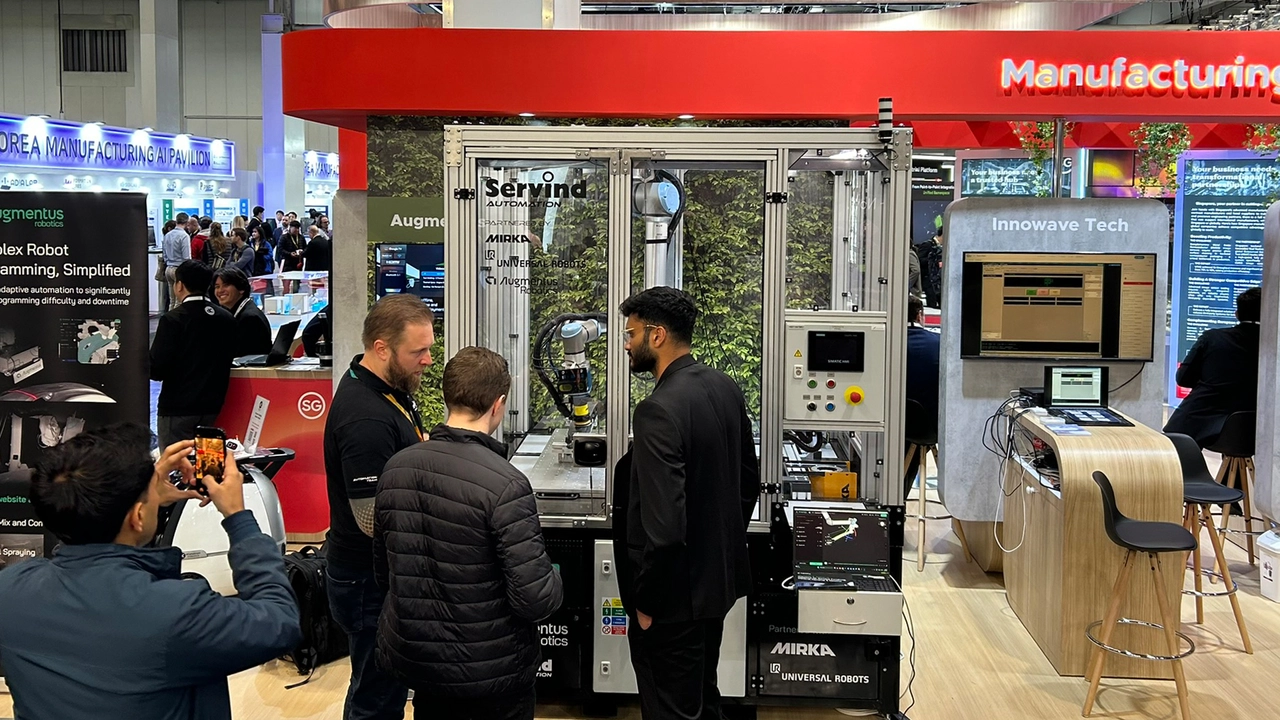
The imaginary peak of the Augmentus exhibition, but for us the absolute one, was a live demonstration of surface treatment automation, created in cooperation with Servind Automation. The combination of top-tier hardware and intelligent software showed how traditionally demanding and dusty processes can be innovated.
At the fair, Augmentus introduced, among other things, products and modules like Augmentus Core, which is a powerful and easy-to-use application that allows for the quick setup of a robot path either from CAD models or directly from a scan of a real part. They also presented AutoPath Software Pro – a module connecting the software with Augmentus Vision technology. And also AutoPath Software Auto, which is a module, or rather a 'closed adaptive system' for operations with high production variability.
The main message from Augmentus, whose guest at the exhibition was also the Servind Automation department, was to show companies that the transition from a scan of an unknown part to a flawlessly functioning robotic process can take mere minutes. How? The answer is the SSC.
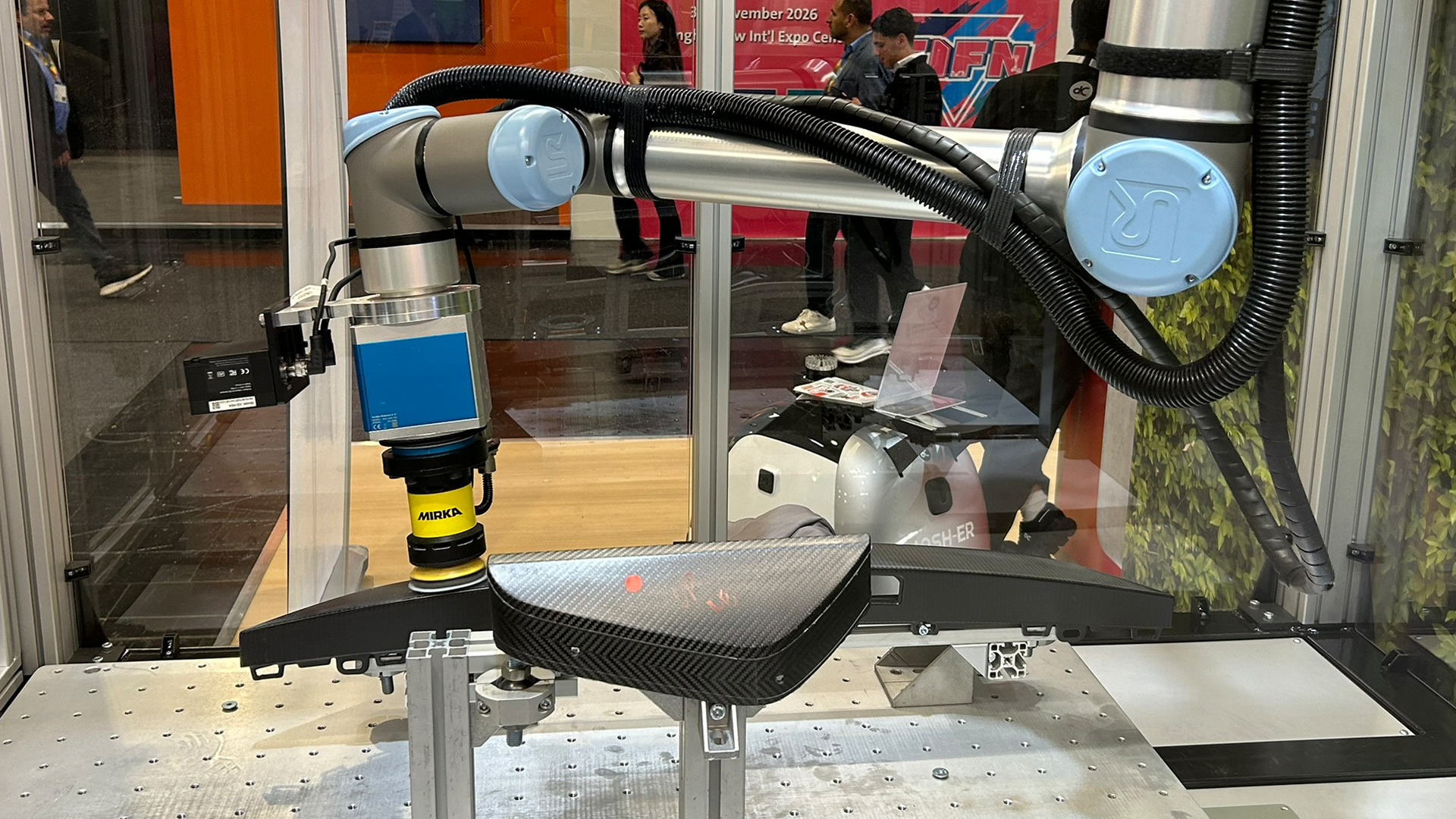
Standardized Sanding Cell from Servind Automation, the future of collaborative robots
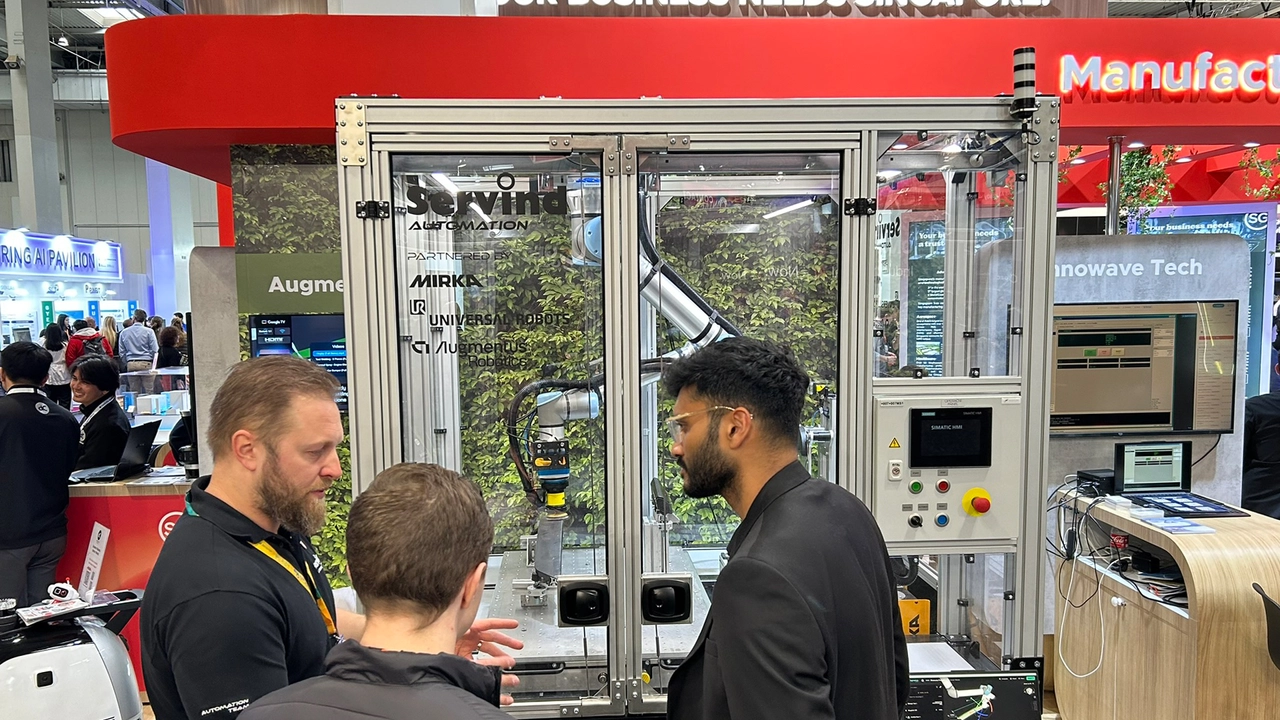
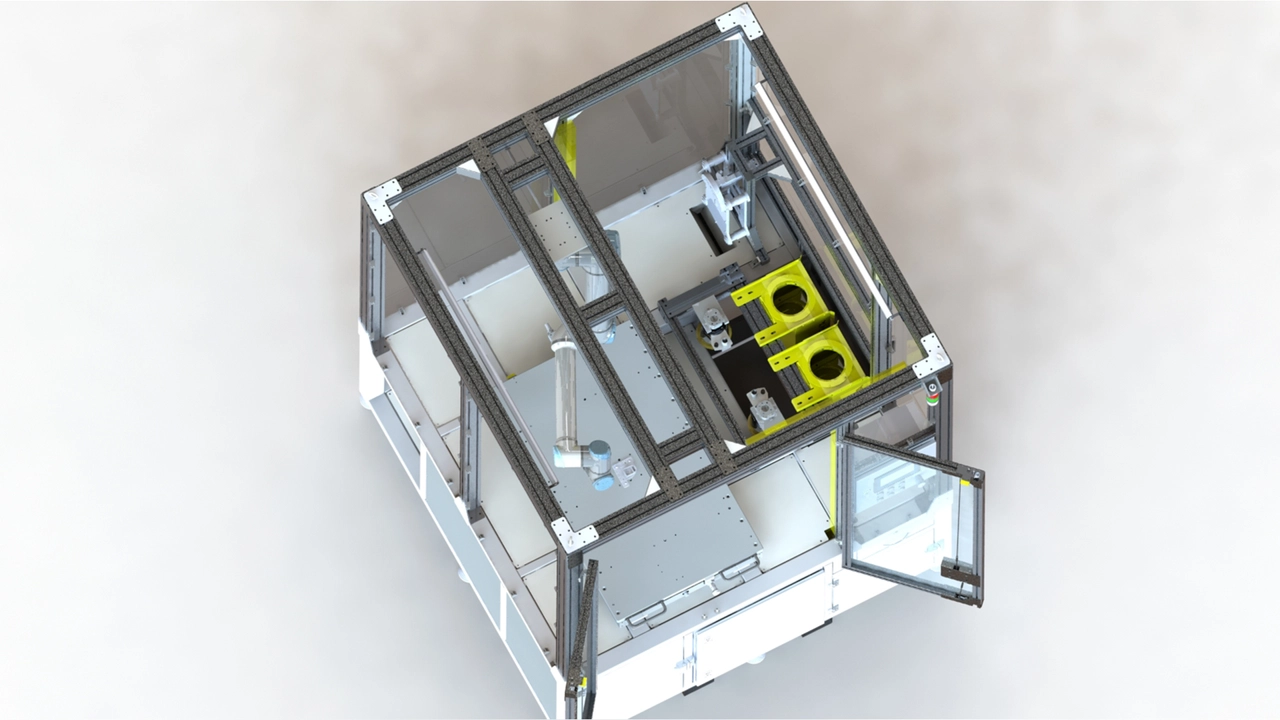
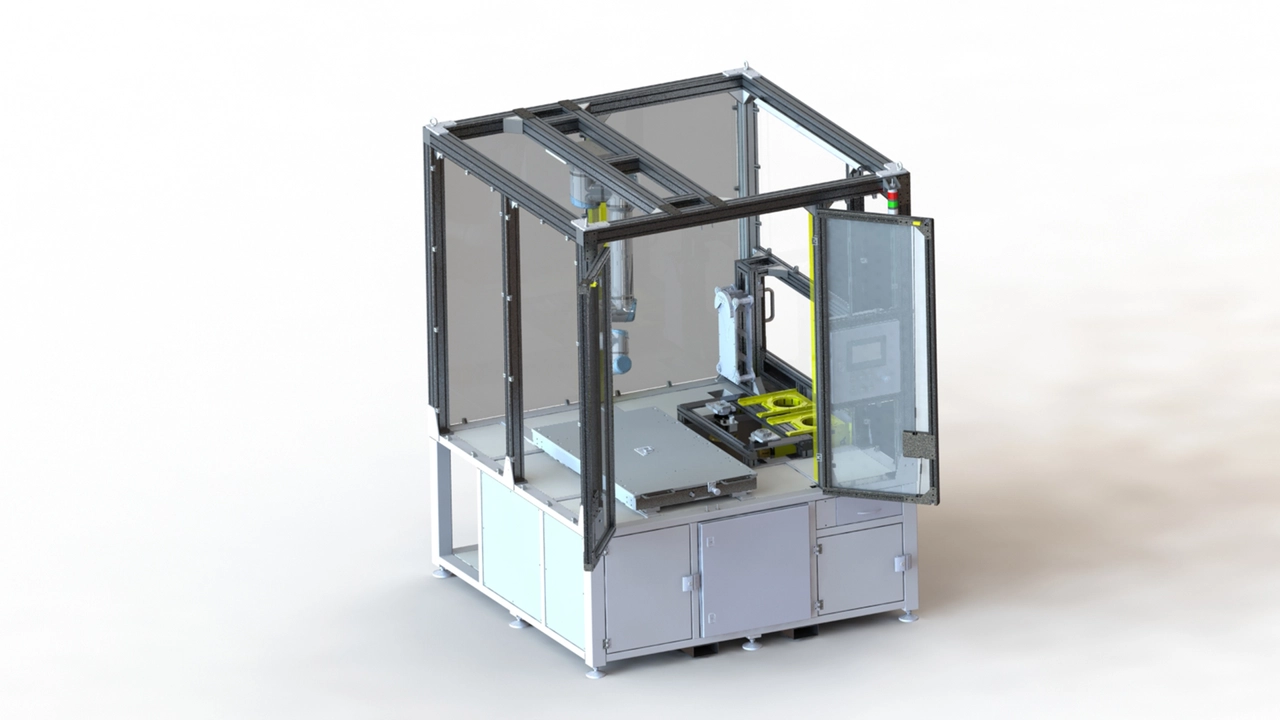
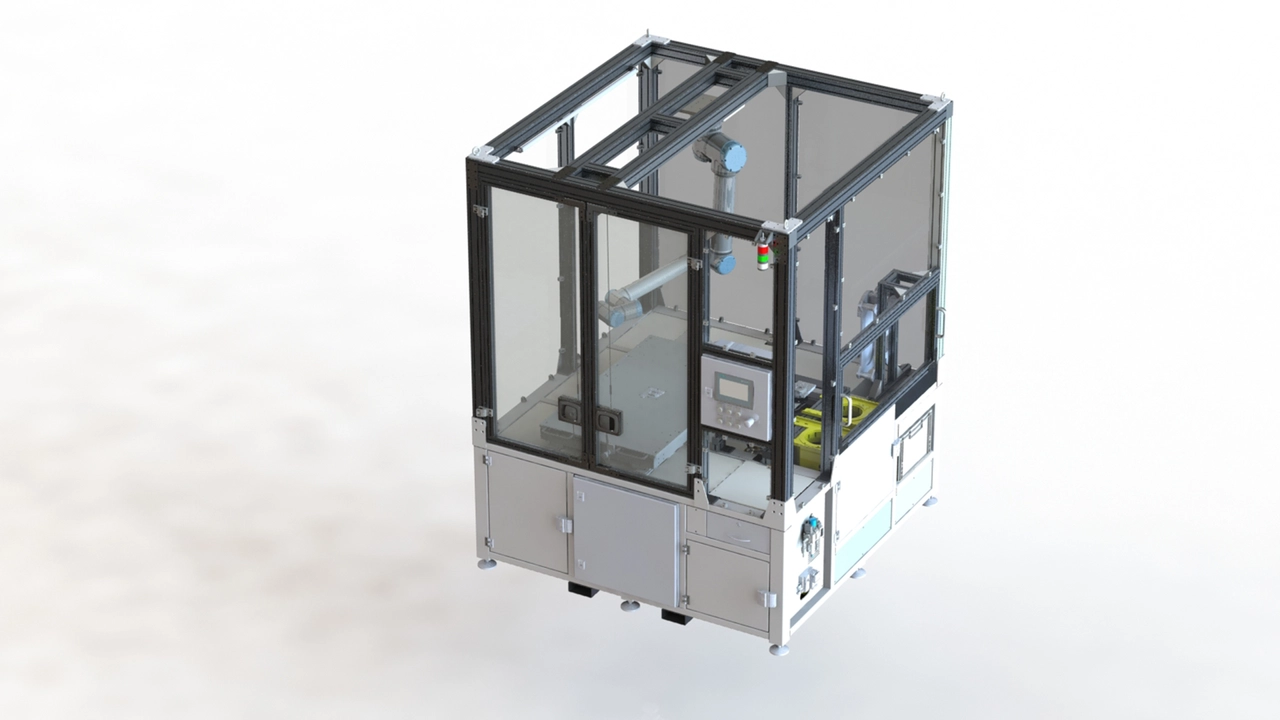
As mentioned earlier in the article, our Servind Automation department with its revolutionary Standardized Sanding Cell (SSC) was also part of the Augmentus stand in the Singapore Pavilion. It is a compact 'turnkey' sanding cell that demonstrated the following parameters at the fair: compactness and cleanliness, hardware of the highest quality, and an AI 'brain' in practice.
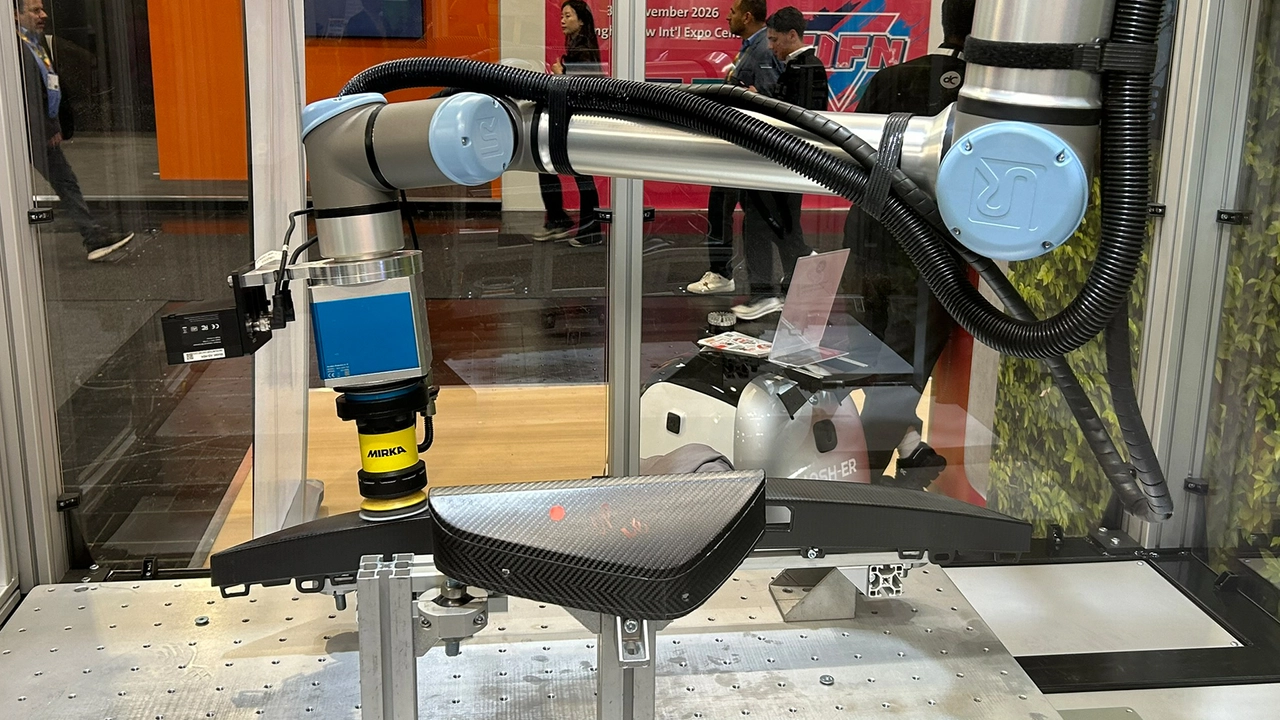
The closed cell's design and the ability to implement extraction using Mirka vacuum cleaners prevent the spread of dust. Furthermore, the cell is highly mobile; after disconnecting the cabling, it can easily be moved by a forklift. The device uses safe collaborative robots (Universal Robots) fitted with a top-of-the-line MIRKA robotic sanding head for maximum performance and stable sanding quality. At the Hannover fair, the SSC was powered by Augmentus software (AutoPath/AutoEdge modules).
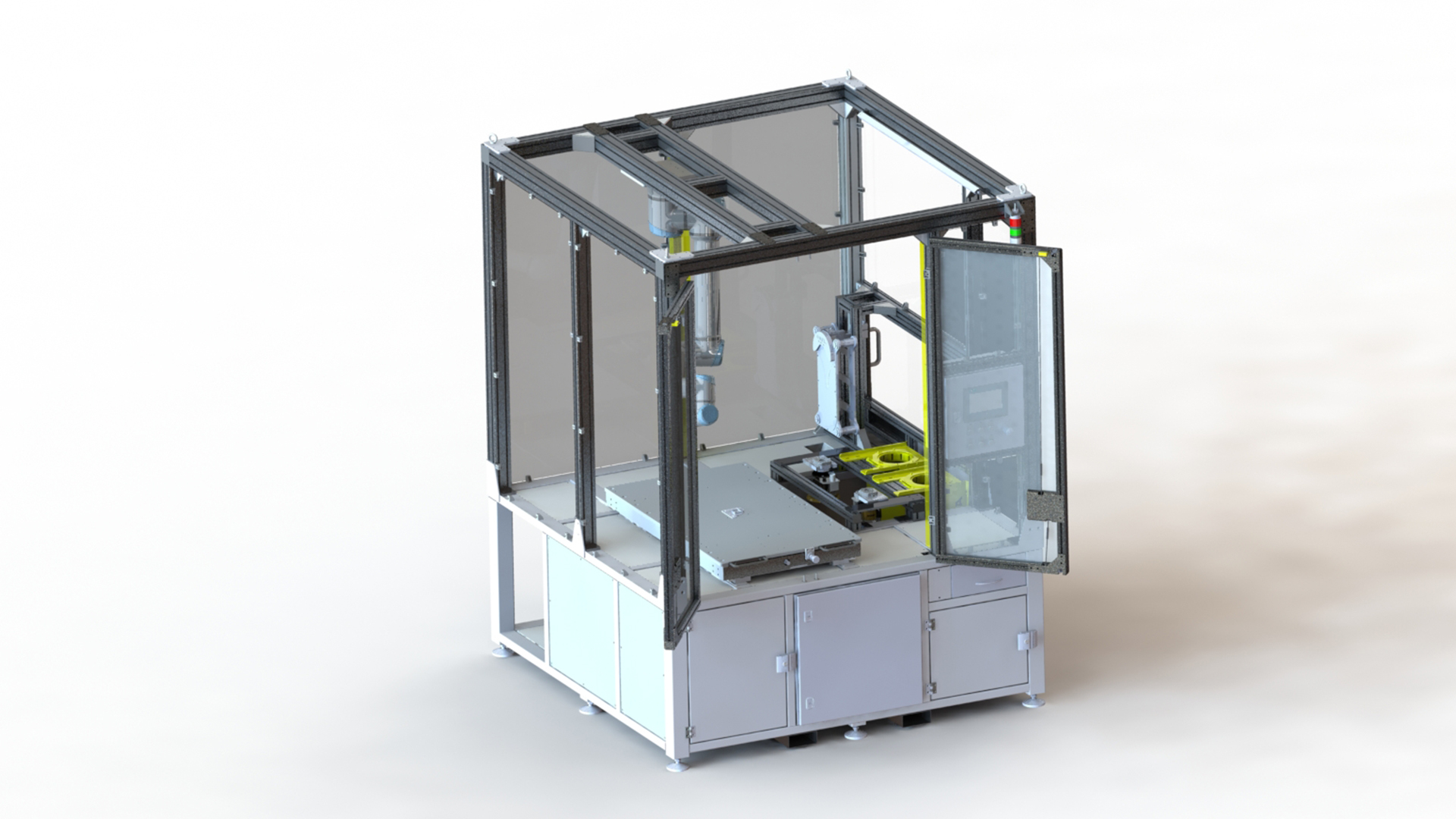
And how did it go at the exhibition in practice? A part with a complex shape was inserted into the SSC. Using SCAN&PLAN technology, the robot scanned the part itself and immediately generated a collision-free path for sanding all surfaces, even the most geometrically complex ones. And then it just did its job. The result of all this was a demonstration of the complete elimination of tedious manual programming via a teach pendant and a demonstration that you don't need to spend days coding a million lines in various interfaces to operate a robot, but that it's 'just' enough to scan and let the technology do its job.
The presentation at Hannover Messe 2026 clearly showed the future of the industry. The combination of the Augmentus no-code AI platform and the standardized SSC solution from Servind Automation puts a tool in the hands of manufacturing companies to automate even the most complex surface treatment processes quickly, safely, and without the need for expensive programmers. This innovation not only addresses the global shortage of skilled workers but also contributes to greater sustainability and efficiency in production. 'We are glad that we could be part of the Hannover Messe 2026 fair, and we would like to sincerely thank Augmentus for this opportunity! At the same time, we believe that future joint challenges await us for a better future of the industrial sector,' adds Ondřej Donát, CEO of Servind Automation.
You can learn more about the SSC device here.
Contact: SERVIND s.r.o., Ke Kopanině 488, Tuchoměřice
Bohemia Customer Service Center: tel.: 220 400 490, e-mail: objednavky@servind.com
Moravia Customer Service Center: tel.: 545 544 840, e-mail: brno@servind.com
Photogallery
 Česky
Česky Slovensky